
California
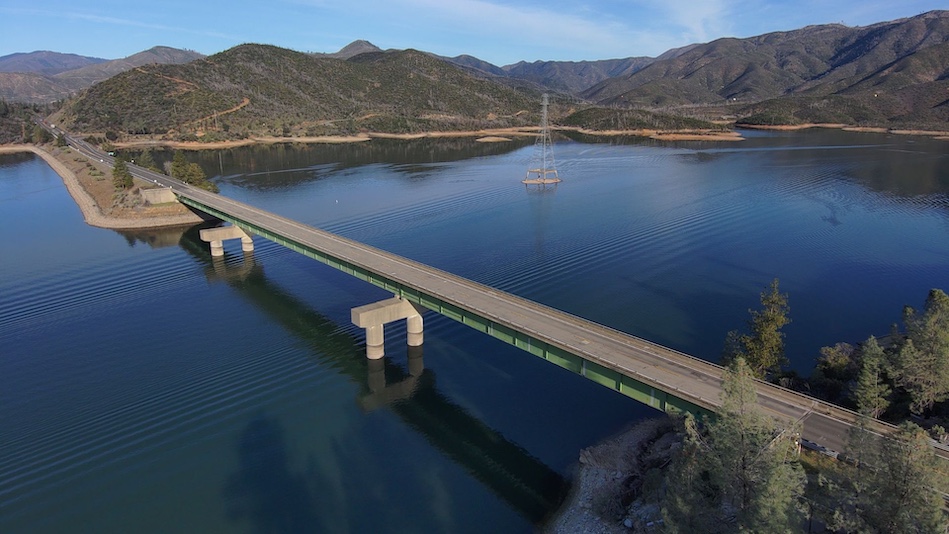
Historic Whiskey Creek Bridge on State Route 299 to be replaced with safer and wider structure for future generations

Redding, California – A major bridge improvement project in Shasta County is set to carry forward more than 60 years of transportation history while adding modern safety features for drivers, cyclists, and pedestrians traveling along State Route 299.
The Whiskey Creek Bridge Replacement Project will replace the existing bridge with a wider and more durable structure, ensuring the important corridor continues serving Northern California for decades to come. At the same time, engineers are preserving an important connection to the bridge’s past by incorporating portions of the original structure into the new design.
The history of the corridor stretches back to 1960, when a significant section of State Route 299 had to be relocated because of the planned construction of Whiskeytown Dam by the U.S. Bureau of Reclamation.
The relocation involved approximately five miles of highway, extending from about 2.5 miles east of Tower House Road to 2.5 miles east of Whiskeytown Lake, roughly 11 miles west of Redding. The project resulted in the construction of a new two-lane expressway built with a 40-foot-wide roadbed.
The highway relocation became necessary because the new dam, constructed on Clear Creek, would eventually flood the original town of Whiskeytown along with the existing roadway.
Once completed, Whiskeytown Reservoir was designed to store approximately 250,000 acre-feet of water as part of the Central Valley Project, helping transfer water from the Trinity River at Lewiston to the Sacramento River at Keswick.
Historical records published in the March-April 1962 edition of California Highways and Public Works documented how the relocation permanently reshaped transportation through the region and established the roadway still in use today.
Modern improvements while preserving history
More than six decades after the original project, transportation officials are preparing to write the next chapter for the Whiskey Creek Bridge.
The replacement project includes a variety of upgrades intended to improve both safety and accessibility for everyone using the corridor.
Plans call for a wider bridge deck, providing more space for vehicle traffic while improving overall traffic flow. The project will also include wider shoulders, giving motorists additional room during emergencies and increasing overall roadway safety.
Another major improvement will be the addition of a dedicated bicycle and pedestrian path, allowing people walking and cycling to travel separately from vehicles while improving connections throughout the area.
Engineers will also install modern guardrail systems and additional safety features that meet today’s engineering and transportation standards.
Officials say the bridge has also been designed for long-term durability so it can continue serving local residents and visitors well into the future.
Construction Engineer Tim Bade emphasized that both safety and preserving history are important parts of the project.
“This project is about delivering a safer, stronger bridge that will serve the community well into the future, while minimizing impacts to the traveling public during construction,” Bade said. “We’re proud to be part of a project that not only improves the corridor but also preserves an important piece of its history.”
One of the project’s most distinctive features is that it will make use of portions of the original bridge rather than replacing every component.
The bridge’s original abutments and piers, constructed during the 1960s, were designed with future expansion in mind. Because of that forward-thinking design, those structural elements can now be incorporated into the new bridge, allowing engineers to preserve part of the original crossing while modernizing the remainder.
Project Manager Alyson Sinclair said the project represents a rare opportunity to connect the work of past engineers with today’s transportation needs.
“What makes this project especially meaningful is the connection between past and present,” Sinclair said. “The original bridge was built with future expansion in mind, and today we’re able to carry that vision forward while improving safety and accessibility for the traveling public.”
By combining historic engineering with modern construction, the Whiskey Creek Bridge Replacement Project honors the vision of those who first built the corridor while preparing one of Shasta County’s most important transportation routes for many more decades of service. More than 60 years after the bridge was originally constructed with future growth in mind, it is once again evolving to meet the needs of a new generation of travelers.